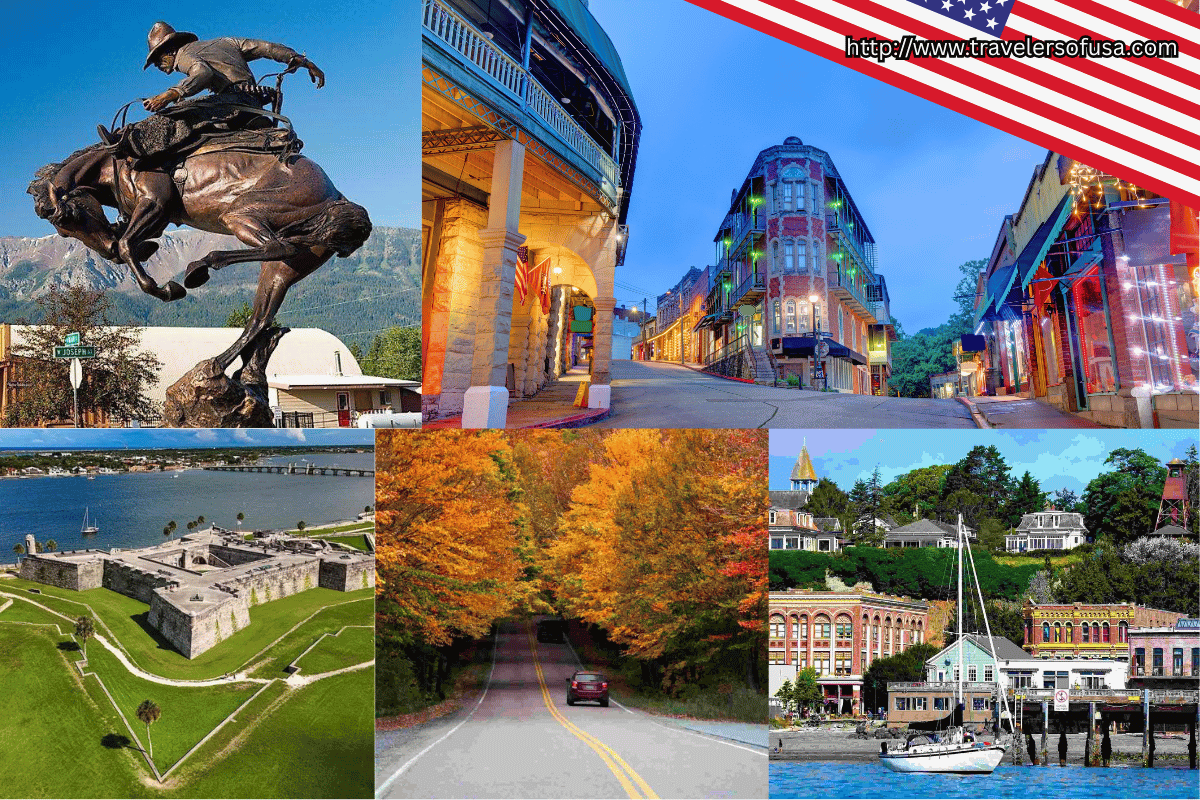
Usually most people plan a trip around the United States, their minds instantly go to New York City, Los Angeles, Las Vegas, Miami, Orlando, or the country’s famous some part.
But some of the most memorable American experiences are hiding somewhere absolutely different?
All across the United States , there are small and beautiful mountains communities, historic mining towns, artistic desert settlements, coastal villages and charming old towns.
that offer incredible scenery and unique experiences without the feeling of a enormous tourist destinations.
Some are becoming better known, but they can still provide a very different experiences from America’s biggest Tour and Travel Hub.
Recent travel coverage has highlighted several small towns-including Telluride, Bayfield, Abiquiu, Homer and Kennebunkport-for their gorgeous scenery, culture and distinctive character.
So, if you are looking for your next unforgettable American Getaway, here are 10 underrated small towns worth putting on your travel list waiting for.
1. Marfa-TEXAS
Marfa is one of the most unusual destinations on this list, a strange and fascinating desert town built around art.
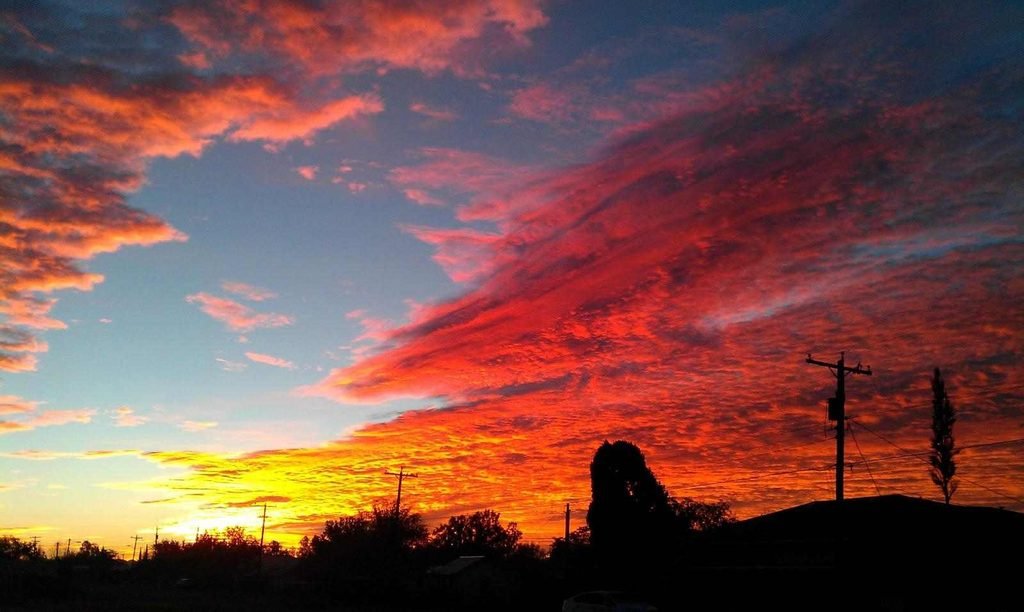
About its location, it is located in the remote West Texas desert, Marfa has become internationally associated with contemporary art, minimalist architecture and its mysterious desert atmosphere.
The transformation of Town into an art destination is closely connected to artist Donald Judd, whose work helped establish Marfa as a major destination for contemporary art lovers.
And, then there are the famous Marfa Lights-mysterious lights that have long been reported in the surrounding desert.
And of course, there is the famous Prada Marfa art installation outside town.
Marfa is not a conventional vacation destination, that’s precisely what makes it more interesting.
Travelers can do
- Look for the Marfa Lights
- Explore downtown galleries
- Photography on Prada Marfa
- Explore contemporary art installations
- Visit the Chinati Foundation
- Watch the desert sunset
Best time to visit
Spring and fall can be particularly comfortable for exploring the desert.
2. Eureka Springs-ARKANSAS
Eureka springs
Eureka Springs Hidden in the Ozark Mountains is one of those destinations where the journey through town can be almost as enjoyable as the attractions themselves.
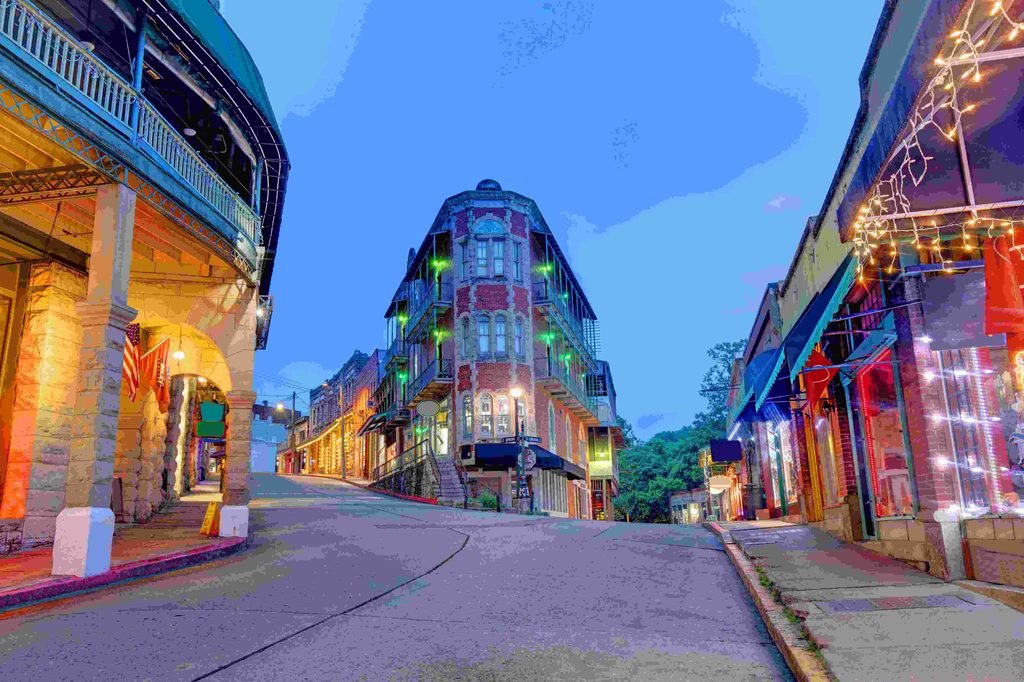
The town is famous for winding streets, Victorian architecture, natural springs, art galleries, restaurants, and surrounding mountain scenery.
The entire town was placed on the National Register of Historic Places in 1970.
What really makes Eureka Springs unusual?
Unlike towns built around a traditional grid system, Eureka Springs developed around the area’s steep terrain and springs. As a result, its streets twist and climb through the hills.
The historic downtown contains preserved Queen Anne, Romanesque, and Italianate architecture, making almost all street interesting for photographers.Best for: Couples, architecture, history, photography and mountain escapes
Recommended stay: 2–3 days
A town unlike ordinary American suburbs
Eureka Springs developed in the Ozark Mountains around natural springs and became a popular health resort in the 19th century.
The city’s own historical account explains that the community developed rapidly after the springs attracted visitors who believed the mineral waters had therapeutic properties.
Although attitudes toward the medicinal claims changed over time, the town’s unusual architecture and landscape remained.
Why walking here is so interesting
Eureka Springs isn’t laid out like a conventional American town.
Its streets wind through steep hills.
You can turn one corner and suddenly discover:
- A Victorian building
- A tiny staircase
- An old church
- A hillside restaurant
- An art gallery
- A historic home
- A spectacular mountain view
The entire town was placed on the National Register of Historic Places in 1970.
That makes the historic character much more than a small downtown attraction—the town itself is the historic experience.
Don’t just photograph the buildings
Take time to understand why the town looks this way.
The terrain influenced its development, while tourism, springs, transportation and changing economic conditions shaped its history.
That historical context gives your blog readers something many travel articles don’t provide.
Thorncrown Chapel
One of the area’s most recognizable architectural attractions is Thorncrown Chapel.
Its glass-and-wood design creates a strong connection between architecture and the surrounding forest.
This is particularly interesting for:
- Architecture lovers
- Photographers
- Couples
- Travelers interested in unusual buildings
Explore beyond downtown
Use Eureka Springs as a base for exploring the Ozarks.
Depending on the season and conditions, visitors can look for:
- Hiking
- Scenic drives
- Wildlife
- Forest landscapes
- Mountain viewpoints
- Outdoor recreation
Suggested weekend
Friday: Historic downtown evening walk.
Saturday morning: Explore historic buildings and local shops.
Saturday afternoon: Visit Thorncrown Chapel and explore the surrounding countryside.
Saturday evening: Dinner and another walk through the illuminated historic streets.
Sunday: Outdoor activity or scenic drive before heading home.
Best photography idea
Visit early in the morning.
The combination of quiet streets, mist, old buildings and surrounding hills can produce a completely different atmosphere from midday.
Things to do
Walk historic downtown: Explore boutiques, galleries, cafés, restaurants, and historic buildings.
Visit Basin Spring Park: This is a natural gathering point in the center of the historic district.
See Thorn crown Chapel: The striking glass-and-wood structure sits among the forest and has become one of the area’s best-known architectural attractions.
Explore the Ozarks: Hiking, mountain biking, paddling, and scenic drives are available around the town.
Visit the historical museum: Learn how the community developed from a spring-based health resort into the destination it is today.
Best time to visit
Fall can be particularly attractive because the surrounding Ozark landscape develops colorful foliage.
Best for
All Couples • Families • Architecture lovers • Photographers • Art enthusiasts
3. St. Augustine, Florida — History, Beaches and Old-World Charm
St. Augustine, Florida — History, Beaches and Old-World Charm
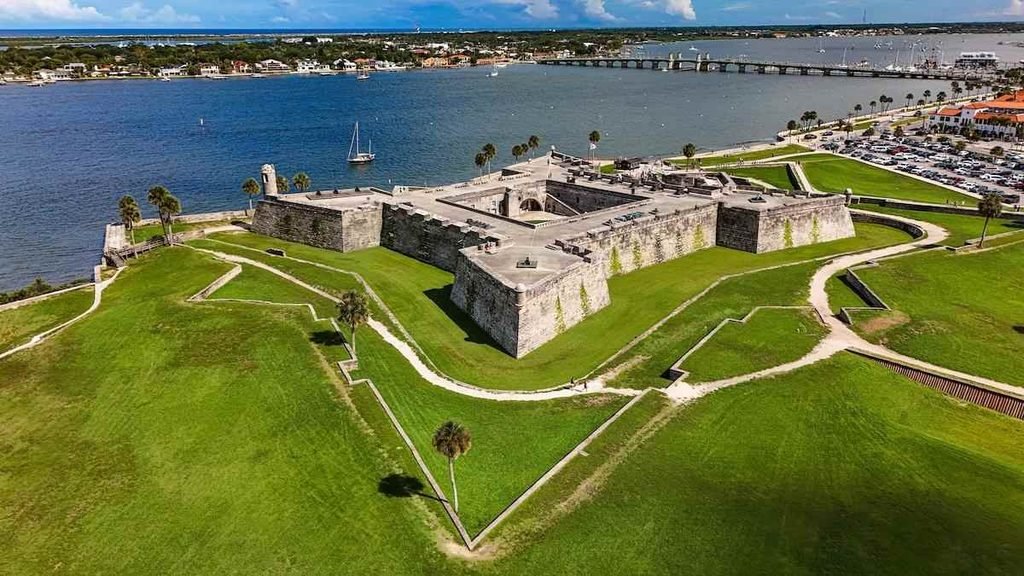
For travelers who want history and a beach vacation in the same weekend, St. Augustine offers an unusual combination.
The city is recognized as the nation’s oldest city and has centuries of history woven into its streets, forts, museums, and historic buildings.
Explore with the historic district
Walking through the historic center is one of the easiest ways to experience St. Augustine.
You can explore narrow streets, historic buildings, independent shops, restaurants, museums, and landmarks without needing to spend the entire weekend in a car.
Best for: History, families, couples, architecture and beaches
Recommended stay: 2–3 days
Why this destination is different
St. Augustine gives you something unusual:
a historic European-influenced city experience combined with an Atlantic beach getaway.
The historic downtown contains buildings dating back to the 1700s, and the district is listed on the National Register of Historic Places.
Walk instead of constantly driving
One of the best ways to experience the historic center is on foot.
You’ll encounter:
- Narrow streets
- Historic buildings
- Museums
- Churches
- Restaurants
- Shops
- Courtyards
- Historic landmarks
The city’s official tourism site specifically highlights walking, shopping, museums, dining and live music in the historic district.
Castillo de San Marcos
This is one attraction you shouldn’t skip.
The Castillo is a National Monument and the oldest masonry fort in the continental United States.
Its walls, waterfront position and history make it one of the most recognizable places in the city.
Go beyond the famous attractions
For a more complete visit, explore:
Aviles Street: Historic street and art district.
Flagler College: Remarkable historic architecture.
St. Augustine Lighthouse: A major landmark with 219 steps according to the city’s tourism site.
Bridge of Lions: One of the city’s recognizable landmarks.
Anastasia Island: A convenient place to combine your historic trip with beach time.
Make your history article more meaningful
Don’t present St. Augustine only as “America’s oldest city.”
Talk about the Indigenous, Spanish, British and American influences that shaped the city. The city’s tourism organization specifically frames its historic sites through those different cultural influences.
That gives readers historical context rather than just a list of attractions.
Ideal 3-day weekend
Day 1: Historic downtown and evening walking tour.
Day 2: Castillo → Flagler College → Aviles Street → restaurants.
Day 3: Lighthouse → beach → coastal drive.
Things to do
Visit Castillo de San Marcos: The historic fort is one of the city’s most recognizable landmarks.
Climb the St. Augustine Lighthouse: The lighthouse provides panoramic views of the surrounding area.
Explore Flagler College: The historic architecture is worth seeing even if you have limited time.
Take a boat tour: Coastal and dolphin-watching excursions offer a different perspective of the city.
Visit the beach: Spend part of your weekend relaxing along the Atlantic coast.
Explore museums: St. Augustine has numerous museums covering history, culture, art, and local heritage.
Weekend idea and best for
Spend Saturday exploring the historic district and major landmarks. Sunday morning, head toward the beach, followed by a relaxed lunch before beginning your journey home.
Specially for Families, Couples, History lovers, and for first time Florida visitors.
4. Port Townsend, Washington-A victory Town by the Sea.
At the northeastern tip of Washington’s Olympic Peninsula, Port Townsend combines Victorian architecture, maritime history, waterfront scenery, independent shops, galleries, and outdoor adventures.
The town’s historic waterfront is particularly distinctive, with beautifully preserved late-19th-century architecture.
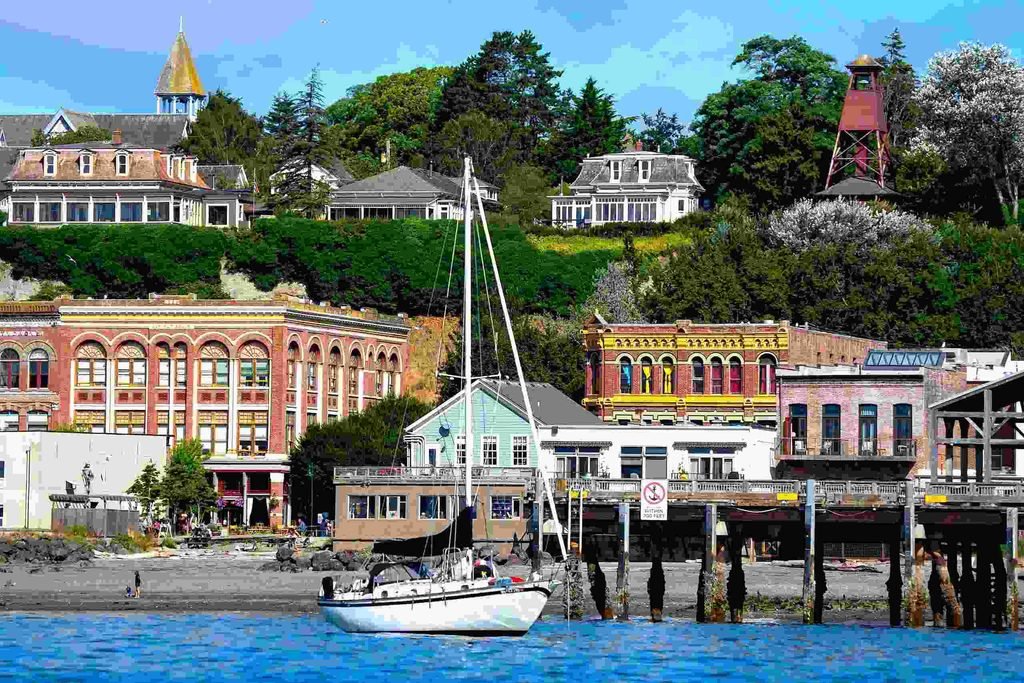
Best for: Architecture, history, maritime culture, art, couples and Pacific Northwest road trips
Recommended stay: 2–3 days
A town that almost became something completely different
Port Townsend’s history is fascinating because its development was closely tied to expectations that it would become a major Pacific port.
When the railroad went elsewhere, the expected boom did not happen.
The result was an unusual preservation story: much of the historic architecture remained.
Today, the town’s Victorian waterfront and historic districts are major parts of its identity.
Walk Water Street
Water Street should be one of your first stops.
Look for:
- Victorian commercial buildings
- Bookstores
- Art galleries
- Cafés
- Restaurants
- Independent shops
- Waterfront views
The town’s tourism organization describes its waterfront as a historic district with well-preserved late-19th-century buildings.
Then walk uphill
The Uptown Historic District offers another architectural experience.
Here you’ll find historic homes and grand Victorian architecture.
This creates a great photography opportunity because you can compare the commercial waterfront architecture with the residential neighborhood.
Fort Worden
Don’t leave Port Townsend without considering a visit to Fort Worden Historical State Park.
The park covers a large area overlooking Admiralty Inlet and includes:
- Beaches
- Forests
- Historic gun batteries
- Museums
- Trails
- Camping
- Wildlife viewing
- Boating opportunities
Washington State Parks confirms that the park offers hiking, biking, beaches, kayaking, fishing, swimming and historic attractions.
Maritime culture
Port Townsend isn’t simply a historic town with old buildings.
Its maritime culture remains active.
The Northwest Maritime Center offers opportunities to learn about boating and traditional maritime skills, while wooden boats remain part of the community’s identity.
Perfect for a Pacific Northwest road trip
Port Townsend is particularly useful as part of a larger Olympic Peninsula itinerary.
You can combine the town with other Washington destinations rather than treating it as an isolated stop.
Ideal weekend
Friday: Water Street → waterfront dinner.
Saturday: Uptown historic district → Fort Worden → beach/sunset.
Sunday: Maritime center → cafés/galleries → continue your Olympic Peninsula road trip.
Walk through history
The downtown waterfront is one of the easiest places to explore on foot. Historic buildings now house cafés,
restaurants, bookstores, galleries, and independent businesses.
For architecture enthusiasts, the historic buildings are one of the main reasons to visit.
Things to do
Explore Water Street: Walk along the historic waterfront and browse shops and galleries.
Visit Fort Worden: The former military installation is now a large public park with beaches, trails, historic structures, and scenic views.
Explore the maritime culture: Port Townsend has a long relationship with wooden boats and maritime craftsmanship.
Visit the Northwest Maritime Center: Learn more about the area’s boatbuilding and maritime traditions.
Explore the Uptown Historic District: Walk among Victorian-era homes and buildings.
Enjoy the waterfront: Sit by the water, watch boats, photograph the scenery, and enjoy a relaxed meal.
Why it’s perfect for a weekend and best for
Port Townsend offers a good balance between history, nature, food, art, and relaxation. You can spend one day exploring town and another exploring the surrounding Olympic Peninsula.
Couples • Road Trippers • Architecture enthusiasts • Photographers • History Lovers.
5. Stowe, Vermont-A Classic England Mountain Escapes
Few places capture the classic New England countryside quite like Stowe, Vermont.
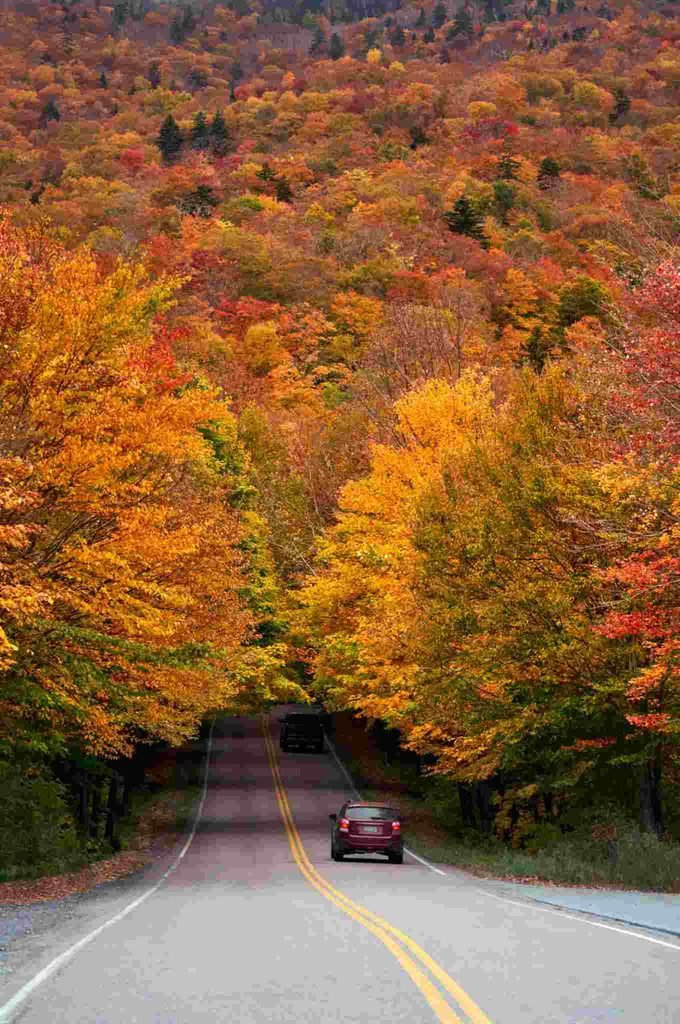
Surrounded by the Green Mountains, Stowe combines a charming village atmosphere with hiking, scenic, drives, covered bridges, mountain views, local restaurants, and outdoor recreation.
Why visit Stowe?
The scenery changes dramatically throughout the year.
Summer brings green mountains and hiking opportunities. Fall brings colorful foliage.
Winter turns the region into a snowy mountain destination. Spring brings waterfalls, greenery, and quieter roads.
Best for: Couples, families, hiking, skiing, photography and foliage
Recommended stay: 2–3 days
Why Stowe works so well for weekend travel
Stowe gives visitors the classic New England combination of:
- Mountains
- Forests
- Small-town architecture
- Covered bridges
- Restaurants
- Outdoor recreation
- Seasonal scenery
But its biggest advantage is that it isn’t dependent on a single season.
Summer
Summer visitors can hike, cycle and explore the surrounding mountains.
Autumn
This is when Stowe becomes particularly attractive to photographers.
The surrounding Green Mountains turn into a huge palette of fall colors.
Winter
Snow transforms the town into a winter destination with skiing and other cold-weather activities.
Spring
Spring provides quieter conditions and opportunities for hiking, waterfalls and countryside exploration.
The Stowe Recreation Path
For visitors who want something easier than a mountain hike, the Stowe Recreation Path is an excellent option.
The town describes it as a 5.3-mile paved trail following the West Branch of the Little River, with mountain views and access to local businesses.
It is used for walking, running and biking during warmer months and can also be used for winter activities such as cross-country skiing and snowshoeing.
Don’t make your Stowe trip only about skiing
Even if you visit outside winter, there’s plenty to do.
Consider:
- Village exploration
- Scenic drives
- Hiking
- Cycling
- Covered bridges
- Local farms
- Restaurants
- Photography
- Mountain viewpoints
Best photography strategy
Morning: village and quiet roads.
Afternoon: mountain roads.
Golden hour: elevated viewpoint.
Evening: return to town for dinner.
Ideal weekend
Friday: Arrive and explore the village.
Saturday: Recreation Path → mountain activity → scenic drive.
Sunday: Covered bridge/farm exploration → brunch → departure.
Things to do
Explore downtown Stowe: Walk through the historic village and browse local shops and cafés.
Visit Mount Mansfield: Vermont’s highest peak provides spectacular mountain scenery.
Take a gondola ride: Depending on seasonal operations, visitors can ride toward the mountain for panoramic views.
Walk the Stowe Recreation Path: The paved path stretches for approximately 5.3 miles and provides an accessible way to enjoy the landscape.
Find covered bridges: Several classic covered bridges around Stowe provide excellent photography opportunities.
Drive the countryside: Rural Vermont roads, farms, forests, and mountain views make driving part of the experience.
Best time for a weekend trip and best for
Fall is particularly popular for travelers seeking New England foliage, while winter attracts visitors interested in snow and mountain activities.
Couples • Families • Photographers • Hikers • Fall foliage travelers
6. Grand Marais, Minnesota-A Tiny Harbor Town on Lake Superior
That’s Grand Marais, Minnesota.
Located between Lake Superior and the Sawtooth Mountains, Grand Marais combines outdoor adventure with an artsy small-town atmosphere.
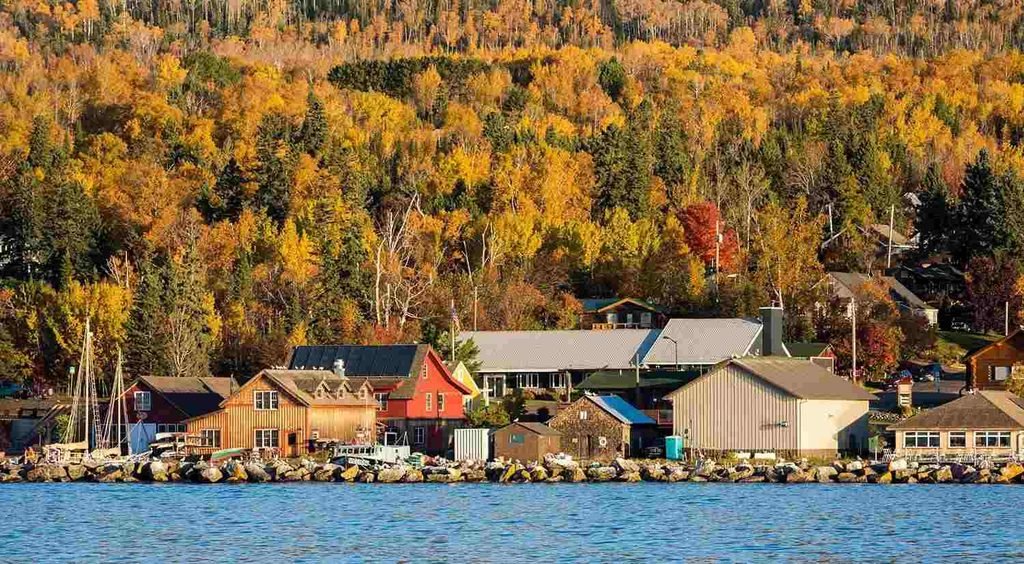
Explore the harbor
The harbor is one of the most recognizable parts of town. Boats, water, surrounding forests, and the dramatic Lake Superior landscape make it an excellent place for photography.
Things to do
Visit Artist’s Point: This scenic location provides beautiful views of Lake Superior and the harbor.
Explore local art: Grand Marais has a strong arts community and galleries.
Visit North House Folk School: Visitors can explore traditional crafts and participate in classes.
Go hiking: Hundreds of miles of trails in the surrounding region provide opportunities for hiking and other outdoor activities.
Explore Lake Superior: Depending on conditions and season, visitors can enjoy boating, kayaking, fishing, sailing, and other water activities.
Explore the Gunflint Trail: The surrounding wilderness offers another way to experience northern Minnesota.
Best for: Hiking, photography, Lake Superior, arts, families and outdoor adventures
Recommended stay: 2–3 days
A completely different Minnesota experience
Grand Marais sits on the North Shore of Lake Superior.
The town combines a working harbor, arts community, restaurants, outdoor recreation and access to forests and wilderness.
The local tourism site highlights Artist’s Point, North House Folk School and the Gunflint Trail among its key experiences.
Start at the harbor
Spend your first morning simply walking.
Watch boats, look across Lake Superior and explore the waterfront.
Then walk toward Artist’s Point, where basalt rock reaches into the lake.
The exposed shoreline can become hazardous in strong wind and waves, so visitors should pay attention to conditions rather than treating every rock area as safe.
North House Folk School
This is one of the most unusual cultural experiences in the town.
The school offers instruction in traditional crafts including:
- Boatbuilding
- Basketry
- Blacksmithing
- Fiber arts
- Woodworking
- Food
- Painting
- Photography
- Sailing
- Outdoor skills
Its harbor campus sits directly beside Lake Superior.
That makes Grand Marais particularly appealing to travelers who want more than scenery.
Explore the surrounding wilderness
From Grand Marais, travelers can venture toward:
- Pincushion Mountain
- Cascade River
- Devil’s Kettle
- Gunflint Trail
- Superior National Forest
- Boundary Waters region
The local tourism organization specifically recommends these areas for longer outings.
Winter is a completely different experience
Grand Marais isn’t only a summer destination.
The North Shore can experience significant cold, snow and winter conditions. North House warns that freezing temperatures and difficult driving conditions can occur during the colder months.
That means winter visitors need proper clothing, vehicle preparation and extra travel time.
Best weekend
Day 1: Harbor → Artist’s Point → galleries → dinner.
Day 2: Pincushion Mountain or another nearby trail → local meal → sunset.
Day 3: North House → harbor → scenic Highway 61 drive.
Fall is special
Autumn transforms the surrounding North Shore forests into a colorful landscape, making fall an especially photogenic time for a road trip.
Best for
Nature lovers • Photographers • Hikers • Families • Adventure travelers
7. Lanesboro, Minnesota-A Peaceful Riverside Escape
Located in southeastern Minnesota’s Drift less Region, Lanesboro sits among dramatic limestone bluffs along the Root River. The town combines outdoor recreation with arts, theater, local shopping, and small-town hospitality.
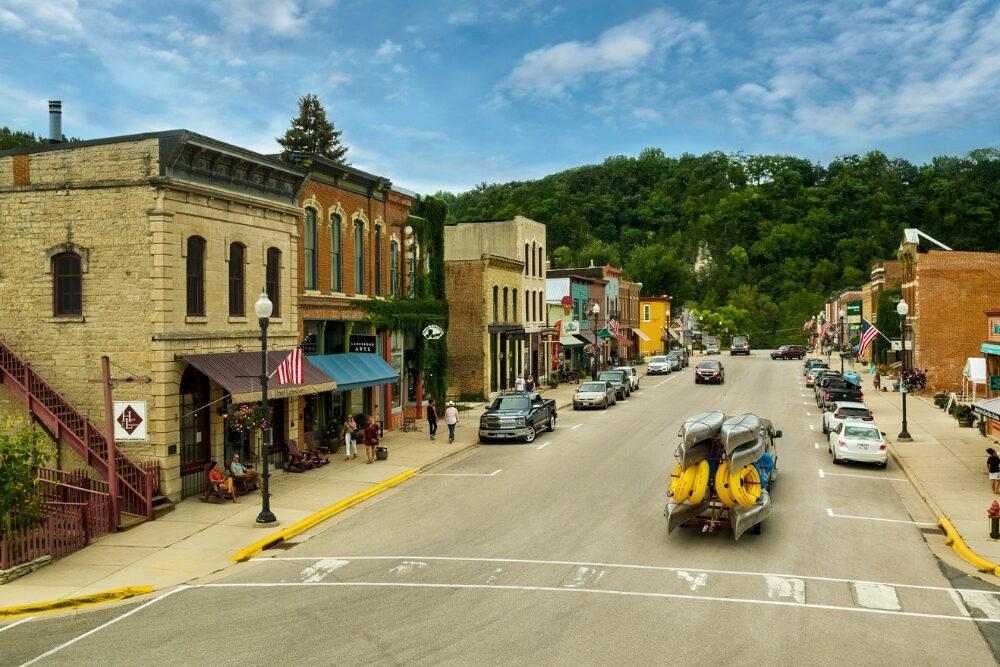
The biggest attraction: the Root River
The Root River State Trail is one of the highlights. The trail passes through Lanesboro and connects several communities,
Giving visitors an opportunity to cycle through river landscapes, limestone bluffs, bridges, and rural scenery.
You don’t have to be an experienced cyclist. Visitors can also walk portions of the trail or simply enjoy the scenery around town.
Why Lanesboro feels different
Lanesboro sits in southeastern Minnesota’s Driftless Region, surrounded by limestone bluffs and the Root River.
The official tourism organization describes the area as a combination of outdoor adventure, vibrant arts and small-town hospitality.
This is the kind of destination where your weekend doesn’t need to be packed with attractions.
You can cycle in the morning, eat lunch beside the river, browse local shops in the afternoon and attend live theater in the evening.
The Root River is the heart of the experience
Outdoor travelers should make the river their starting point.
The Root River State Trail is a 42-mile paved multi-use trail, with Lanesboro at its heart. It connects with the Harmony-Preston Valley State Trail to create more than 60 miles of paved trail riding.
You don’t need to cycle the entire route.
Rent a bicycle and choose a section that matches your ability and available time.
Try the river
The Root River also provides opportunities for:
- Kayaking
- Canoeing
- Tubing
- Fishing
- Wildlife observation
The Minnesota DNR describes the Root River as an area with scenic and historic qualities and notes the many communities along the river.
Important: Water conditions can change, and the DNR currently advises caution around a section near a former dam because of restoration work and unexpected rapids. Travelers should check current conditions before paddling.
Don’t overlook the arts
This is where Lanesboro becomes more interesting than a typical outdoor destination.
You can combine outdoor activities with:
- Galleries
- Local crafts
- Live theater
- Independent shops
- Local restaurants
- Cafés
That makes the town attractive even when the weather isn’t perfect.
Fall is especially attractive
The combination of river, bluffs and trees makes autumn a particularly photogenic season.
Imagine cycling beside the river with colorful trees covering the hillsides.
That’s the kind of visual experience that can make an excellent Pinterest image.
Ideal weekend
Day 1: → bicycle rental → Root River Trail → dinner → theater.
Day 2: → kayaking or river activity → local shops → scenic drive through Bluff Country.
Instead of describing Lanesboro simply as a “cute town,” position it as:
A destination where cycling, river adventures, arts and small-town life can all fit into one weekend.
Things to do
Rent a bicycle: Spend a few hours riding along the Root River State Trail.
Go kayaking or tubing: The Root River provides opportunities for paddling and relaxing on the water.
Walk downtown: Browse independent shops, cafés, galleries, and local businesses.
See a show: The Commonweal Theatre is a major cultural attraction in town.
Explore the countryside: The surrounding Bluff Country provides scenic drives and opportunities to experience rural Minnesota.
Don’t miss
The Lanesboro Dam and river walk are particularly attractive for photography, especially
during the fall when the surrounding landscape becomes colorful.
Best for
Families • Couples • Cyclists • Nature lovers • Slow travelers
Weekend idea
Arrive Friday evening and have dinner downtown. Spend Saturday cycling along the Root River, followed by a relaxed evening in town. On Sunday, explore the countryside and enjoy a leisurely breakfast before leaving.
8. Bisbee, Arizona
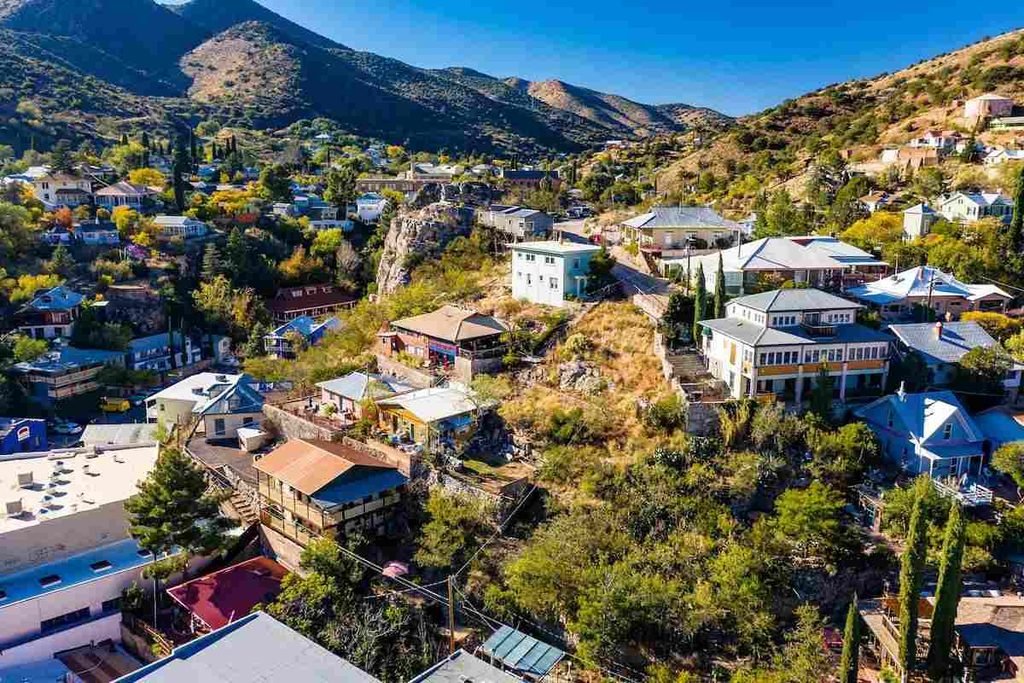
Tucked into the Mule Mountains of southeastern Arizona, Bisbee is a former mining town with a remarkably colorful personality. Its steep streets, historic buildings, independent galleries, cafés, and quirky shops make it very different from the typical Arizona destination.
Best for: History, photography, art, couples, road trips and unusual destinations
Recommended stay: 2–3 days
Best seasons: Spring and fall are particularly comfortable for exploring outdoors.
Why Bisbee deserves a place on your itinerary
Bisbee is not the sort of Arizona destination where you arrive expecting huge resorts or endless rows of chain restaurants.
Instead, you find a historic mountain community built into the steep slopes of the Mule Mountains.
The town’s identity is closely connected to its mining past. Today, that history mixes with an active arts and independent-business scene.
The City of Bisbee describes the modern community as an artist community whose historic and architectural heritage has been preserved.
That combination makes Bisbee especially interesting for travelers who want to experience a side of Arizona beyond the Grand Canyon.
The streets are part of the attraction
One of the first things you’ll notice is the terrain.
Bisbee wasn’t built on a perfectly flat grid. Roads climb hills, houses appear on slopes, stairways connect different areas, and historic buildings are packed into surprisingly small spaces.
This makes simply walking around Old Bisbee an activity in itself.
Bring comfortable shoes and allow yourself time to wander rather than following a rigid sightseeing schedule.
Discover Bisbee’s mining history
The mining story is essential to understanding the town.
The Copper Queen Mine gives visitors an opportunity to learn about the underground mining industry that shaped Bisbee.
The experience is particularly worthwhile because you’re not merely looking at photographs in a museum—you can connect the historic story with the actual landscape surrounding the town.
The city also highlights Copper Queen Mine tours among its major visitor attractions.
Explore the artistic side
After learning about mining, spend time discovering the modern Bisbee.
Look for:
- Independent galleries
- Local artwork
- Vintage stores
- Handmade crafts
- Murals
- Independent cafés
- Historic architecture
- Quirky shops
The contrast between the industrial history and contemporary creative culture is one of the town’s most interesting characteristics.
Best photography opportunities
Photographers should explore:
Old Bisbee streets: colorful buildings and unusual angles.
Hillside homes: the town’s steep geography creates excellent compositions.
Historic architecture: doors, windows, balconies and weathered façades.
Mountain viewpoints: particularly around sunrise and sunset.
Suggested 2-day itinerary
Friday evening: Arrive, check into your accommodation and explore Old Bisbee.
Saturday morning: Visit the Copper Queen Mine.
Saturday afternoon: Explore galleries, historic streets and local shops.
Saturday evening: Enjoy dinner downtown and photograph the town after dark.
Sunday morning: Take a scenic drive or short hike around the surrounding mountains.
Sunday afternoon: Have lunch before beginning your journey home.
A detail many travel articles miss
Don’t treat Bisbee as simply a place to “see” in two hours.
Its appeal is in wandering without a strict plan.
That’s precisely what makes it suitable for a weekend rather than a quick roadside stop.
What to do: Explore Old Bisbee, visit the Bisbee Mining & Historical Museum, browse local art galleries, and take a scenic drive through the surrounding mountains.
Perfect for: History lovers, photographers, artists, couples, and travelers looking for something unusual.
9. Joseph, Oregon
Located in northeastern Oregon near the spectacular Wallowa Mountains, Joseph combines a charming small-town atmosphere with dramatic mountain scenery.
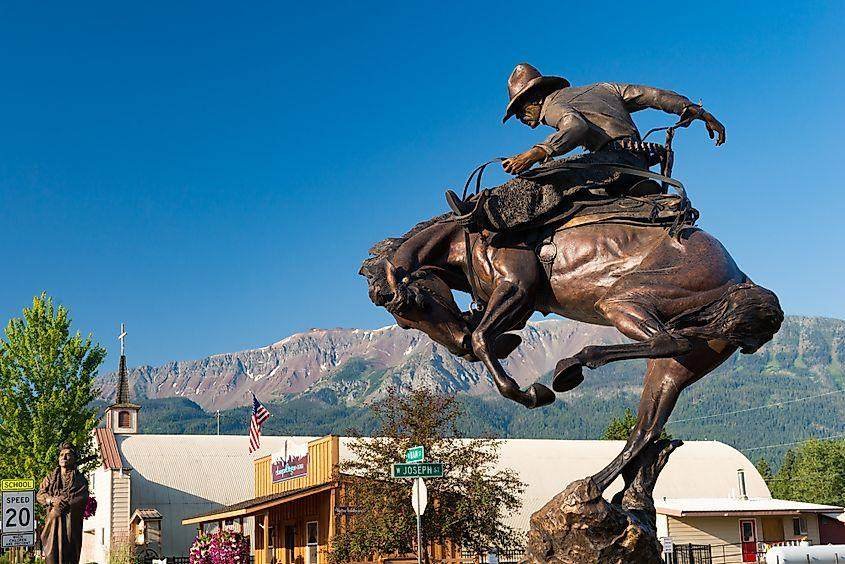
The nearby Wallowa Lake provides opportunities for hiking, boating, fishing, and simply enjoying the scenery.
The landscape is extraordinary
Joseph is located at the foot of the Wallowa Mountains in northeastern Oregon.
The official city website describes Joseph as a gateway to Wallowa Lake, Eagle Cap Wilderness and the Hells Canyon Recreation Area.
This gives the town a rare combination:
small-town charm + serious outdoor adventure.
The town itself is worth exploring
Don’t make the mistake of treating Joseph merely as a place to sleep before going into the mountains.
The downtown has:
- Galleries
- Specialty stores
- Restaurants
- Coffee shops
- Breweries
- Art
- Local products
The city notes that its Main Street is surrounded by more than a dozen life-size bronze sculptures.
The Bronze Art Walk
This is one of Joseph’s most distinctive features.
A self-guided walk through town allows visitors to encounter monumental bronze sculptures.
The local tourism organization explains that Joseph’s bronze foundry tradition began in the 1980s
and developed into an internationally recognized artistic community.
That means your readers can enjoy an art experience without entering a conventional museum.
Wallowa Lake
Then there’s the natural side.
Wallowa Lake is one of the area’s major attractions and provides opportunities for:
- Hiking
- Boating
- Fishing
- Swimming
- Photography
- Relaxation
Go beyond the lake
If you have more time, consider exploring the wider region, including:
- Eagle Cap Wilderness
- Hells Canyon area
- Zumwalt Prairie
- Scenic viewpoints
- Mountain trails
Joseph’s tourism organization specifically highlights the region’s canyons, prairie, wilderness and dark skies.
Stargazing
The area’s dark skies make nighttime another attraction.
If you’re staying outside town, look up after sunset.
The difference between a rural mountain sky and a major American city can be dramatic.
Best weekend
Friday: Arrive → downtown → Bronze Art Walk.
Saturday: Wallowa Lake → hiking/boating → mountain sunset.
Saturday night: Stargazing.
Sunday: Scenic drive or short hike → downtown lunch → departure.
What to do: Visit downtown galleries, see the famous bronze sculptures, explore Wallowa Lake, and hike in the surrounding mountains.
Perfect for: Outdoor enthusiasts, photographers, hikers, and nature-loving couples.
10. Beaufort, South Carolina
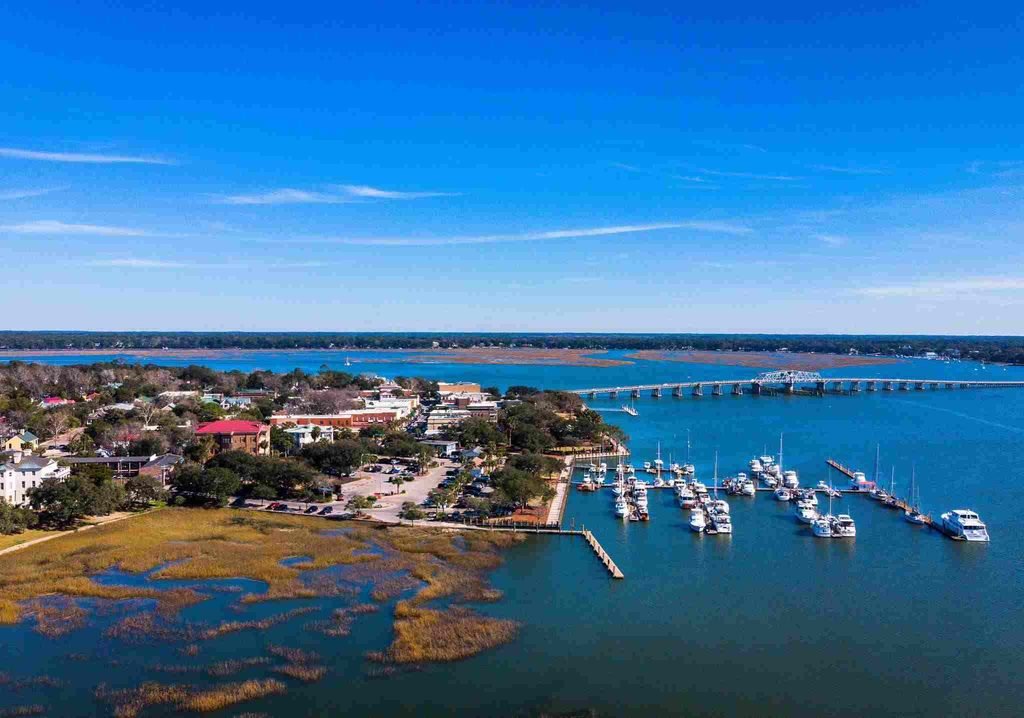
If your idea of a perfect weekend involves historic homes, Spanish moss, waterfront walks, and Southern charm, Beaufort deserves attention.
The first thing to notice
Large live oaks, Spanish moss, historic houses and waterfront scenery create an atmosphere that encourages travelers to walk rather than rush.
South Carolina’s official tourism site notes that Beaufort’s downtown contains more than 50 architecturally significant structures and is designated a National Historic Landmark
The town’s historic district is filled with beautiful architecture and tree-lined streets, while the waterfront offers peaceful views over the surrounding waterways.
A fascinating historical detail
Beaufort was founded in 1711, and its historic architecture reflects centuries of history. The local tourism organization notes
that many antebellum homes survived the Civil War because Beaufort was occupied by Union forces early in the conflict.Explore the water
Beaufort is surrounded by Lowcountry waterways and Sea Island landscapes.
Depending on season and conditions, visitors can consider:
- Kayaking
- Boat tours
- Fishing
- Wildlife watching
- Paddleboarding
- Coastal excursions
Don’t ignore the food
Lowcountry food should be part of the trip.
Look for local seafood and regional dishes rather than treating meals as simply fuel between attractions.
Explore beyond downtown
Use Beaufort as a base for exploring nearby:
- Port Royal
- St. Helena Island
- Hunting Island
- Other Sea Island landscapes
The official tourism organization identifies Beaufort, Port Royal, Lady’s Island, St. Helena Island and nearby islands as part of the broader destination.
What to do: Walk the historic district, explore the waterfront, take a boat tour, and enjoy Lowcountry cuisine.
Perfect for: Couples, history enthusiasts, photographers, and relaxing weekend travelers.